Explore mobile, wall-mounted, dual-output and floor-standing DC equipment. Compare the equipment form, site requirements and operating priorities before defining your configuration.
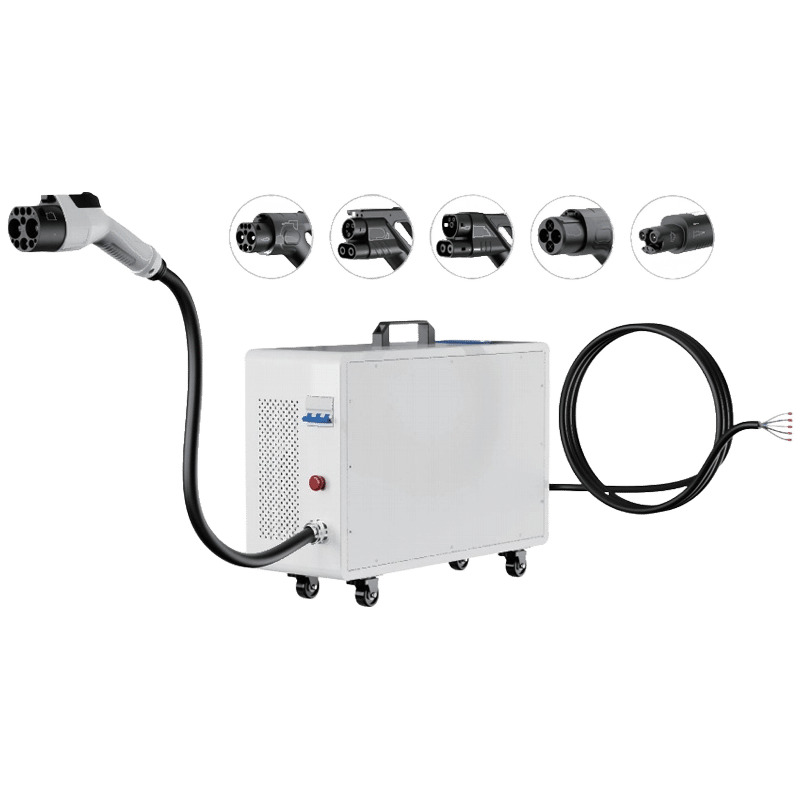
A wheeled equipment form for working areas where placement may change.
Define the available supply, movement route and connection requirements.
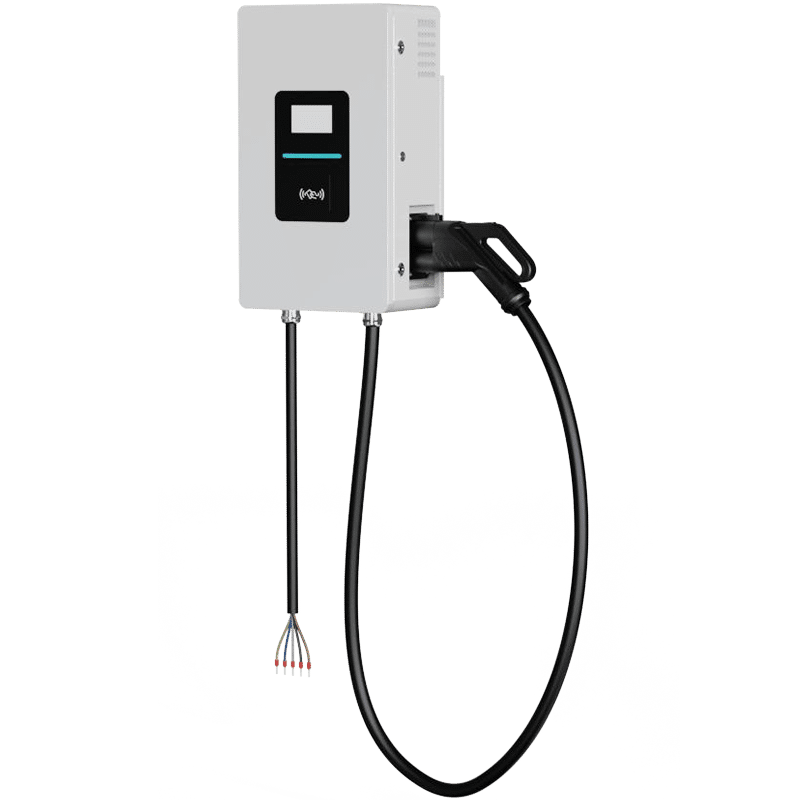
Wall-mounted DC equipment
A wall-mounted form for layouts that keep the equipment off the floor.
Check mounting space, cable reach and service clearance.
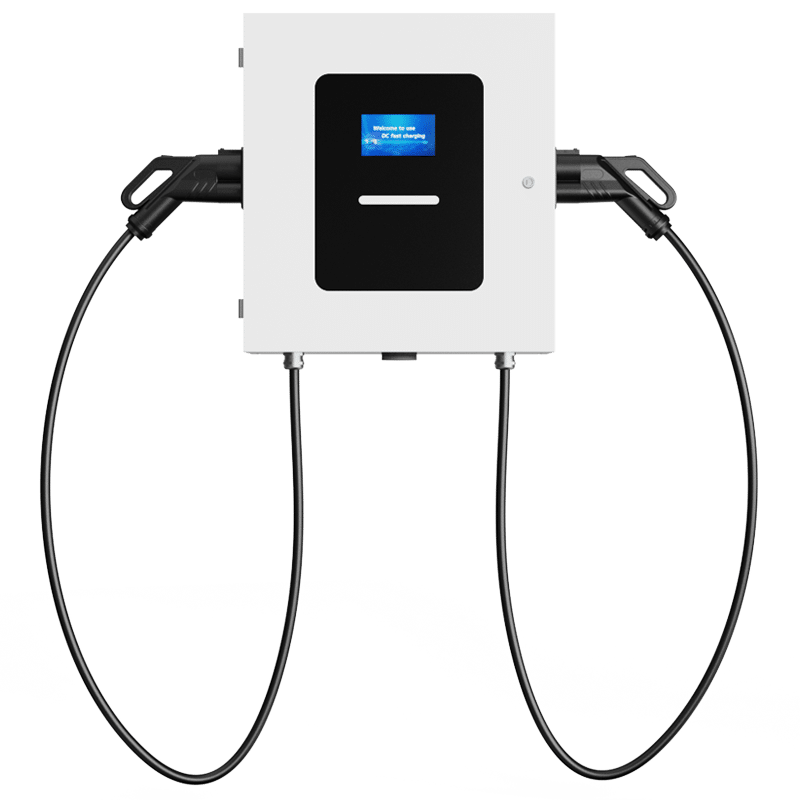
Dual-output DC equipment
A two-cable form for projects considering more than one charging connection.
Specify concurrent use and confirm total and per-output allocation.
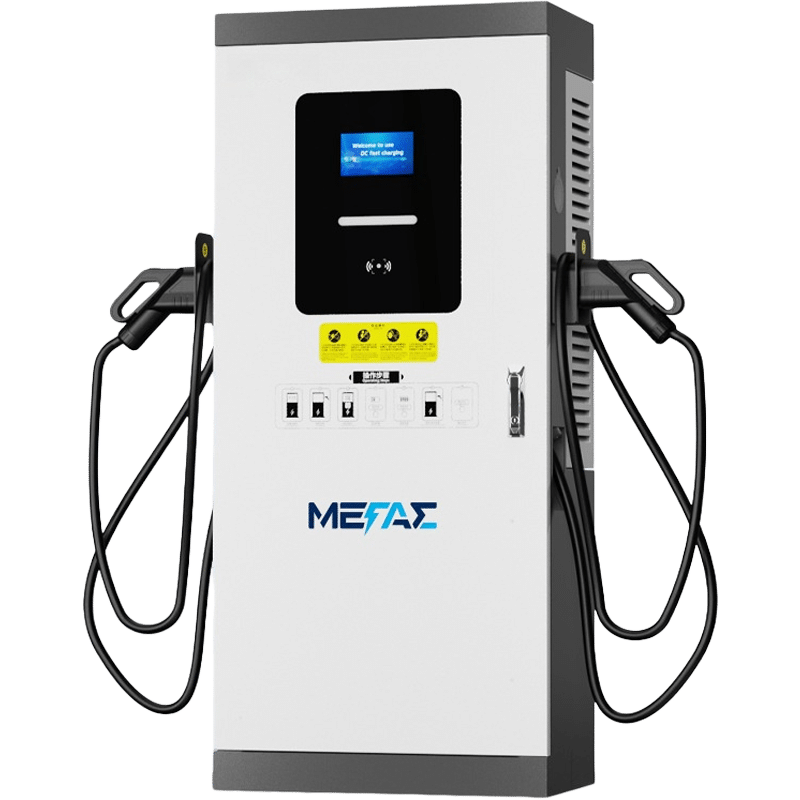
Floor-standing DC equipment
A cabinet form to consider within the bay and equipment layout.
Allow for cable paths, access and maintenance space.
ENGINEERING
Look beyond the nameplate.
Output under the intended operating conditions
Compare the selected model’s documented operating envelope with the vehicles, ambient conditions and charging duty in your brief. For more than one outlet, confirm how the available output is shared.
Vehicle and connector requirement
Documented output and operating conditions
Concurrent use and allocation
Access is part of the equipment decision
Plan cable routing and service space alongside the charging bays. Request the selected model’s installation and maintenance information before fixing the layout.
PLANNING SEQUENCE
01 Installation space
02 Service access
03 Replacement procedure
DEPLOYMENT
Different sites. Different operating priorities.
Public and commercial sites
Define expected vehicle types, parking arrangement, connection demand and the operating workflow. Confirm the responsibilities for local installation, network access and payment where those are required.
Fleet and depot sites
Start with return and departure windows, vehicle routes, available charging time and bay allocation. Use these inputs to compare the equipment options.