


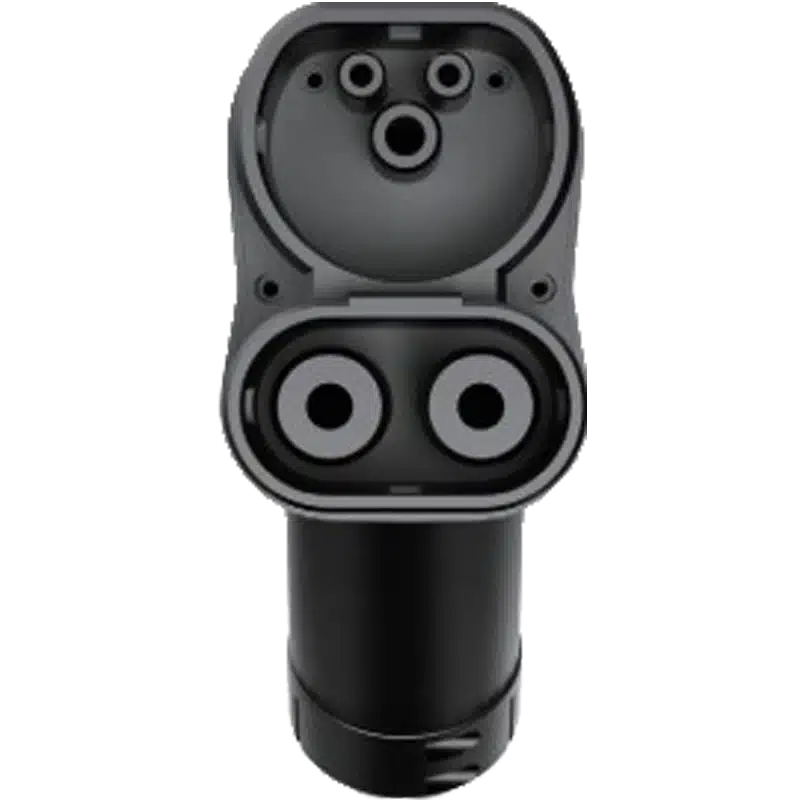

Bring the electrical and cooling requirements into one specification. Define the connector, cable and cooling interface around the intended charging duty.
Compare the proposed assembly using the same duty cycle, ambient conditions, cable length and cooling assumptions. Ask which conditions support the stated continuous and peak ratings.
Required voltage range, continuous current, peak current and duration, charging schedule and connector interface.
Coolant specification, inlet temperature, flow, pressure, pressure drop and heat-removal requirements for the proposed assembly.
Cable length and routing, connector geometry, mounting, strain relief, coolant connections and equipment-side terminations.
Temperature sensing, locking/interlock signals, leak detection arrangements and the response to loss of cooling.
Agree the connector, cable and equipment-side termination together. Use one configuration reference across the quotation, drawing and technical documents.
For a new charger design, share the mating interface, available cable route, enclosure entry and cooling-circuit requirements. For a replacement, include the existing part number and equipment revision.
Confirm which components are included in the proposed assembly and which remain part of the charging equipment. A connector-and-cable proposal does not by itself include a complete cooling unit.
Ask which part of the assembly a rating or test result covers and under what conditions it was obtained.
Request the current-versus-condition information and the applicable limits for the proposed configuration.
Separate connector, electronic lock, cable and complete-assembly ratings. Material flammability classification is a different statement from product certification.
Request the applicable instructions, coolant handling information, inspection requirements and replacement procedure.
Put the selected configuration and acceptance conditions in the project documents.
The review should identify the model and revision, interfaces, operating envelope, cooling requirements, control signals and applicable product documents.
Agree the relevant integration and commissioning checks with the responsible equipment team. Confirm the service and replacement scope for the selected assembly in the commercial proposal.
Send the connector interface, voltage/current duty, cooling-circuit requirements, cable length, equipment drawing and destination market.