


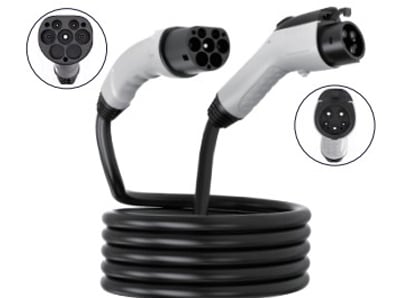
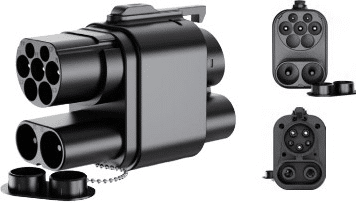


Start with the connection you need to make. Find the right accessory family, then match it to the equipment, vehicle and operating conditions.
An adapter, a complete cable assembly and a liquid-cooled connector solve different connection tasks. Identify the assembly you need before comparing specifications.
Identify the charging-equipment interface and the vehicle inlet, in that order. Keep AC and DC applications separate.
Choose between a double-ended charging cable, a tethered connector assembly or an application-specific extension.
Specify the electrical duty, cooling circuit, mechanical interfaces and monitoring requirements together.
The shape of a connector is one part of the specification. Include the equipment and application that sit on either side of it.
Record the charging equipment make/model and the vehicle model, model year and inlet. For an integration project, identify the mating assembly.
State AC or DC use, the voltage and current required, and the intended operating pattern. Request ratings for the exact assembly.
Include cable length, routing, available space, handling needs, strain relief and connector orientation.
Name the country of use and project requirements. Ask which product documents apply to the selected model and configuration.
Send the accessory family, a photograph or description of each connection, the equipment model and the destination country. Add quantity and the required configuration when known.
For replacement parts, include the existing part number and equipment revision.
For a new integration, include the interface drawing and operating conditions.
Ask for the exact model, configuration and applicable instructions in the proposal. Confirm the fit for that combination before ordering.
Share the equipment, interfaces and intended use so the enquiry begins with the right accessory family.