




Commercial fleet charging works best when charger selection follows the vehicles’ operating schedule and the site’s real electrical limits. Smart charge management can coordinate when and how vehicles charge, but it does not remove the need to validate utility capacity, equipment compatibility, or vehicle-readiness requirements.
For fleet and project buyers, the practical sequence is: define the charging objective, collect operating and site data, specify the control behavior, then test the complete system against real operating scenarios. The U.S. Department of Energy’s Federal Energy Management Program describes this same coordination across fleet operations, facilities, IT, energy teams, utilities, charging equipment, and management systems. Its guidance is U.S.-federal in scope; use local utility, electrical and regulatory requirements for other markets.
What smart charge management does
Smart charge management coordinates EV charging with factors such as vehicle schedules, dwell periods, site loads, energy rates, and available charging capacity. Depending on the system, it may monitor charging, set power limits, schedule sessions, or prioritize vehicles that need to be ready sooner.
That can help an operator use available capacity more deliberately and avoid coincident peaks. It is not a guarantee of lower bills, avoided electrical upgrades, or uninterrupted vehicle readiness. Results depend on the site, tariff, vehicles, equipment, controls, and operating data. The DOE identifies these as potential benefits and inputs—not universal outcomes.
Start with the fleet’s departure requirements
Build the charging plan around the next required vehicle deployment, not a charger’s maximum rating in isolation. For each vehicle group, gather:
- regular return and departure windows, including the days and shifts that differ;
- estimated energy needed between return and the next dispatch;
- parking location and the time the vehicle is actually connected;
- operational priority if several vehicles compete for limited capacity;
- known exceptions, such as late returns or unscheduled assignments.
Use fleet schedules and available operating records to describe a normal day and a demanding day. Where information is uncertain, label the assumption and validate it with the fleet team. Avoid substituting a fleet-wide average for vehicles whose departure time or mission is critical.
The outcome should be a clear service objective. For example: which vehicles must be ready by which departure time, and what happens when energy or capacity is insufficient? This gives the charging-management provider and equipment suppliers a testable requirement.
Establish the site’s usable capacity
A nameplate service rating alone does not show how much capacity is available for EV charging during a fleet’s operating hours. Collect interval meter data where available, building load profiles, utility rate details, and information about existing service equipment. Ask the local utility or qualified electrical professional to confirm site constraints and any planned upgrades.
Separate three questions in the project brief:
- What is the site’s permitted or engineered electrical limit? This must be determined for the specific site and jurisdiction by qualified parties.
- How much of that capacity is already used, and when? Compare charging windows with building and other large loads.
- What charging limit should the controls enforce? State the operating ceiling and the source of the signal used to maintain it.
DOE’s EVI-LOCATE material illustrates why transformer, service-panel, metered-load, and equipment-location data matter in U.S. federal planning. The tool and its procedures are not a substitute for local engineering or a universal design specification.
Define the control objective before comparing systems
Choose the primary objective first. Common options include keeping priority vehicles ready, staying within an agreed site power ceiling, shifting sessions to a tariff window, or coordinating charging with other building loads. One system may support several objectives, but trade-offs need to be explicit: a tariff-driven schedule should not silently override a departure-readiness requirement.
Then write down the inputs and expected behavior:
| Procurement question | What to specify |
|---|---|
| Vehicle readiness | Which departure events and energy requirements take priority? |
| Capacity limit | What site or group-level ceiling must not be exceeded, and who owns that value? |
| Schedule | Which vehicle, charger, fleet, or tariff data is available, and how often is it updated? |
| Prioritization | What should happen when multiple vehicles need energy during the same window? |
| Exceptions | Who can override a schedule, and how is the exception recorded? |
| Communications loss | What behavior is expected if the network, cloud service, meter feed, or management platform is unavailable? |
For control-system connections, name the exact equipment models, software, firmware, protocol versions, and functions that must work together. An open protocol can support interoperability, but a protocol label alone does not prove that a particular feature works across the selected charger, management platform, meter, and utility interface. Confirm the required functions and test them with the actual configuration.
Match charging equipment to dwell time and operations
Compare AC and DC charging as options within the operating plan, not as a universal faster-versus-slower choice. The appropriate equipment and power level depend on the vehicles, available dwell time, connection pattern, site capacity, and required readiness. Confirm compatibility and market-specific electrical requirements for the exact vehicle and equipment models under consideration.
For a mixed fleet or site, model how vehicles will be assigned to charging points and how the system behaves when demand overlaps. Ask suppliers to state whether limits apply per connector, charger, group, or site, and whether simultaneous sessions change available power. Do not infer these behaviors from a product-family name or a headline rating.
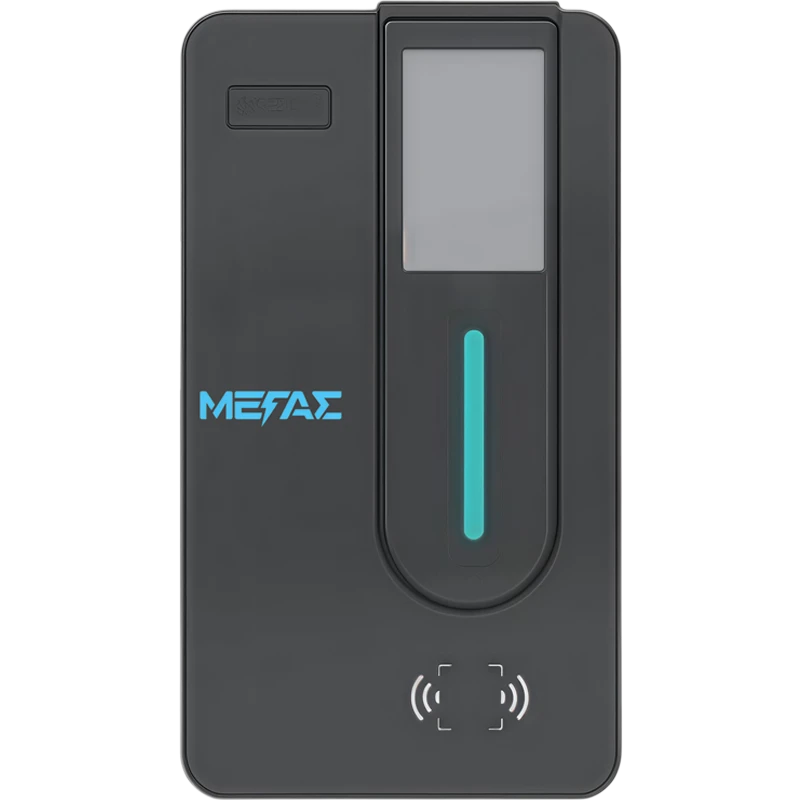
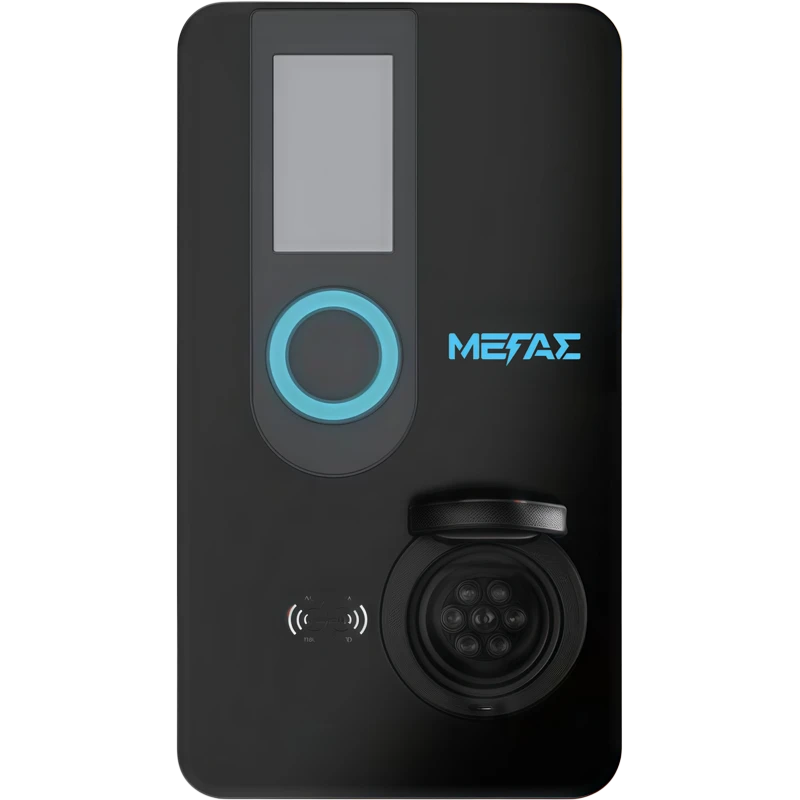
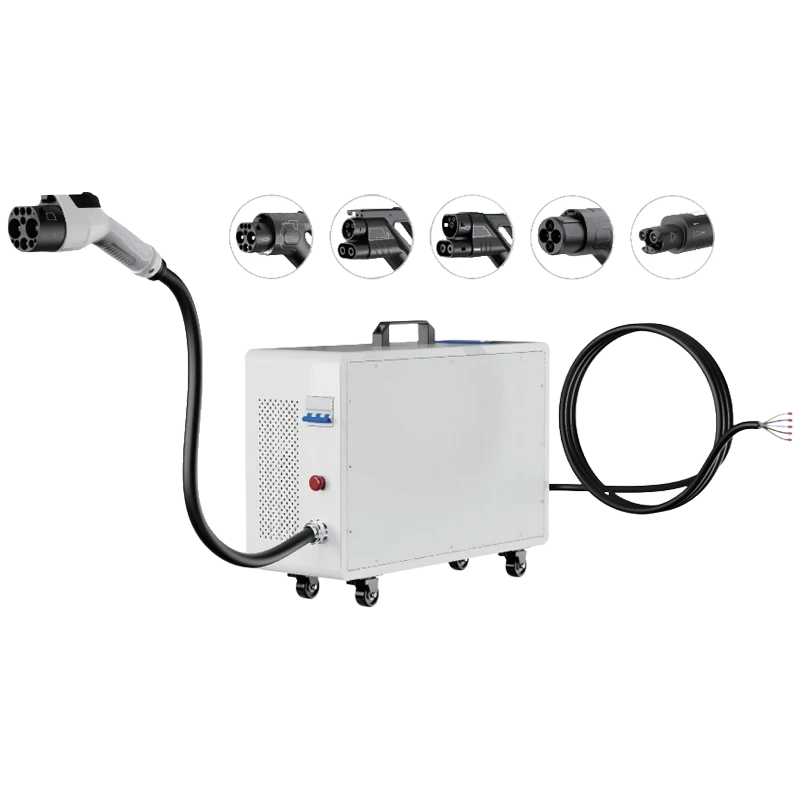
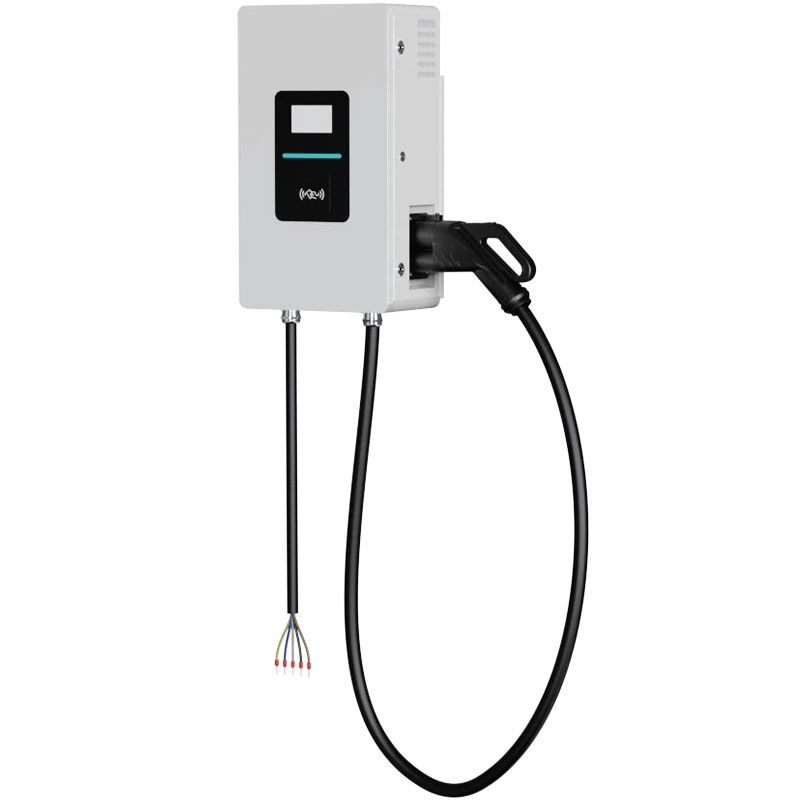
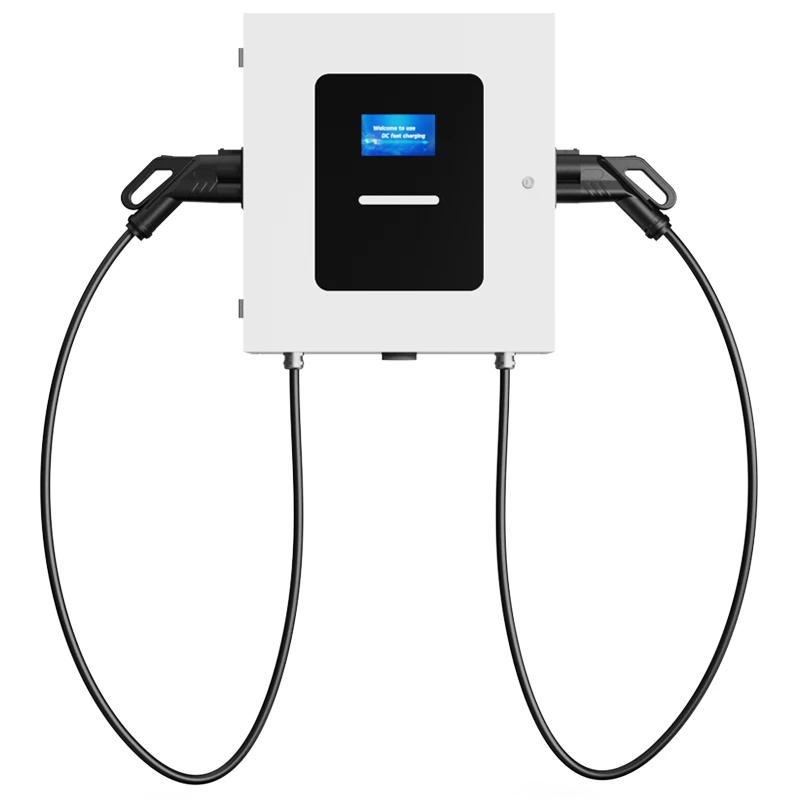
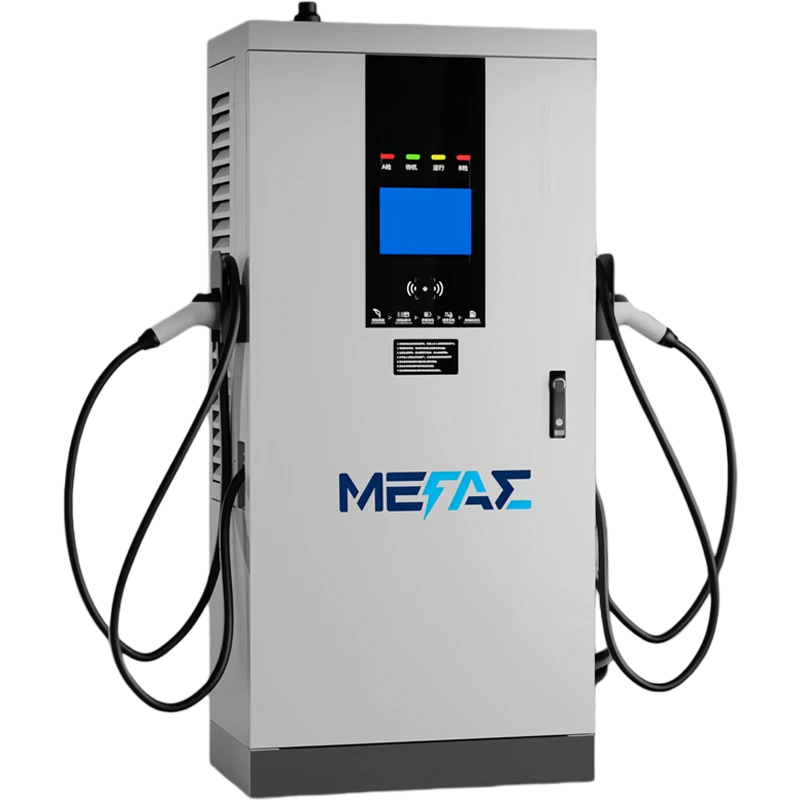
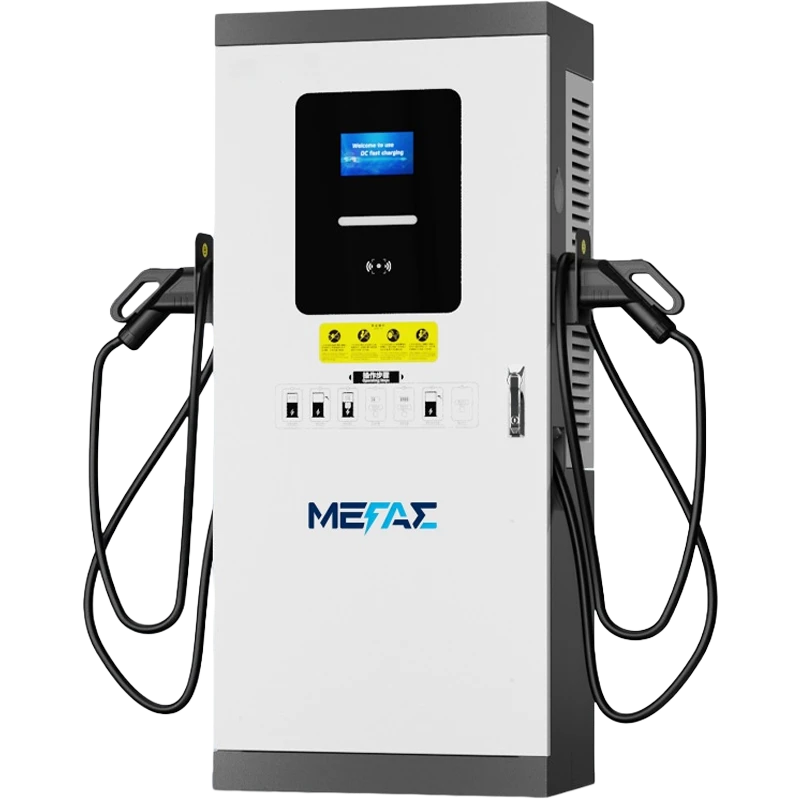
MegaEVSE’s site lists AC charging stations and DC charging stations as separate product categories. Product fit still needs confirmation against the intended market, vehicle, software, and project requirements.
Commission against scenarios, not a feature list
Before procurement is finalized, agree on an acceptance plan with the fleet operator, facilities team, software provider, charger supplier, and utility where relevant. Test at least these cases:
- routine overnight or between-shift charging against planned departures;
- several vehicles requesting energy at once while the site ceiling is active;
- a priority vehicle returning late or needing a documented override;
- a change in building load or utility rate input;
- loss and recovery of network or management-system communications;
- session records and reports needed to investigate missed readiness or unexpected load.
Record the expected result, observed result, responsible party, and any corrective action for each case. A successful connection test is not the same as proving the full operating objective. Re-test material changes to firmware, configuration, software, or site controls according to the project’s agreed change process.
A focused request-for-information checklist
When requesting proposals, include:
- fleet schedule and vehicle groups, with sensitive operational data minimized;
- site location and the electrical data that the utility or engineer has approved for sharing;
- the required departure-readiness and site-capacity objectives;
- the charging equipment models and management platform in scope;
- exact protocol versions and functions required for each interface;
- load allocation behavior across simultaneous sessions;
- offline, override, alerting, data-retention, and cybersecurity expectations;
- commissioning scenarios, acceptance evidence, support ownership, and change control.
Ask each supplier to identify assumptions, exclusions, dependencies, and items requiring site-level verification. That makes proposals easier to compare without treating an unverified capability as a commitment.
Plan the operating system, then procure the parts
A workable fleet charging plan starts with departure needs and measured site conditions. Smart charge management can help coordinate charging within those constraints, but the result depends on verified data, compatible systems, clear responsibility, and scenario-based commissioning.
If you are evaluating hardware for a commercial fleet or charging project, review the relevant AC or DC charging station category and contact MegaEVSE with your destination market, vehicle schedule, site limit, and required control functions. Product-level specifications, compatibility, and commercial terms should be confirmed for the exact project before selection.
Sources
- U.S. Department of Energy, Federal Energy Management Program, Smart Charge Management Implementation for Federal Fleets — stakeholder/data inputs, communications protocols, procurement pathway, commissioning and maintenance (sections “Data Requirements,” “SCM Communication Protocols,” and “Implementing SCM Solutions”).
- U.S. Department of Energy, Federal Energy Management Program, Smart Charge Management Applications and Benefits for Federal Fleets — SCM definition and potential operational/cost benefits (opening definition and “Applications and Benefits”).
- U.S. Department of Energy, Federal Energy Management Program, EVI-LOCATE Step by Step — U.S. federal planning example for equipment, utility assets, transformer, panel and metered-load data (steps 1–6).